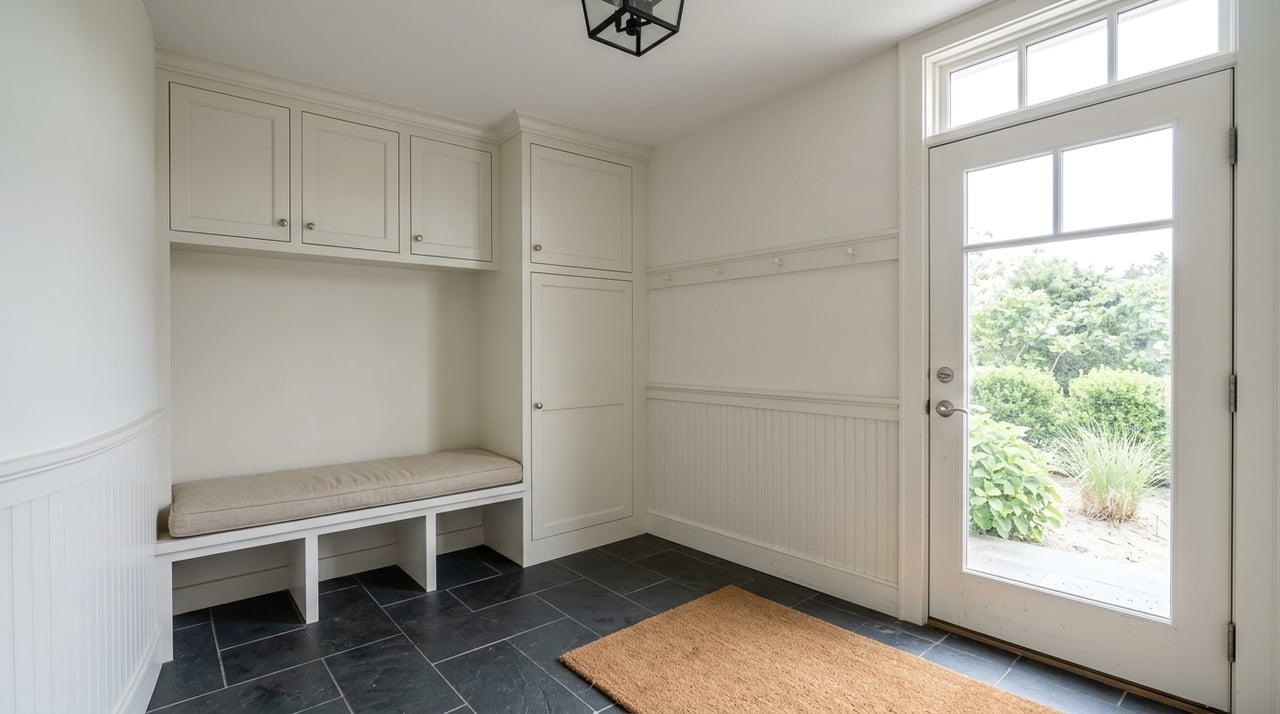
Creating A Lock-And-Leave Second Home In Edgartown
June 11, 2026
June 11, 2026
If you want a second home in Edgartown to feel effortless, you need more than beautiful finishes and fresh linens. A true lock-and-leave property has to handle coastal weather, seasonal vacancy, and local approvals without constant attention from you. This guide walks you through the design choices, systems, and planning steps that can help you create a second home that is easier to manage, protect, and enjoy. Let’s dive in.
Edgartown is an exceptional place for a second home, but it comes with conditions that deserve careful planning. The town combines coastal humidity, wind exposure, and freeze-thaw conditions with oversight that can involve the Building Inspector, Historic District Commission, Conservation Commission, Wastewater Department, Water Department, and Board of Health.
That means a turnkey home here is not just about décor or convenience. It is also about durability, drainage, utility systems, and making sure any planned work fits local requirements from the start.
NOAA’s Martha’s Vineyard design-climate summary points to a moisture-heavy environment. For you as an absentee owner, that makes a tight building envelope, reliable dehumidification, sealed penetrations, quality flashing, and corrosion-resistant hardware especially important.
Salt air and seasonal movement can wear on a home faster than many buyers expect. Materials and assemblies that hold up well in moisture and wind can reduce maintenance visits and help protect your investment when the house sits empty.
Edgartown’s zoning bylaw places special flood hazard areas into a Floodplain Overlay District tied to FEMA mapping. The Building Inspector serves as the town’s floodplain administrator, and the Conservation Commission reviews work affecting vegetation or ground within 200 feet of a wetland resource area, with expanded jurisdiction to 300 feet in the Edgartown Ponds Area District.
For you, that means site planning matters just as much as the house itself. Grading, drainage, hardscape, retaining walls, and utility work may need review before construction begins.
If your property is in the Historic District, exterior changes visible from a public way require review by the Edgartown Historic District Commission. The commission prefers natural materials, and the Building Inspector cannot issue a permit for exterior work in the district without the proper certificate.
This can affect more than major renovations. Windows, gutters, outbuildings, additions, and other exterior details may all need to be evaluated through that lens.
The best lock-and-leave homes in Edgartown are designed to stay stable and low-stress while you are away. In practice, that means choosing durable materials, simplifying outdoor systems, and treating flood and drainage concerns as core design inputs.
A polished house can still be high-maintenance if the systems behind it are fragile or overly complicated. A better goal is a home that looks refined and performs reliably.
Edgartown’s climate supports using materials and components that tolerate moisture, salt exposure, and seasonal expansion and contraction. High-quality flashing, rot-resistant exterior assemblies, corrosion-resistant fasteners, and carefully sealed openings can all support longer-term performance.
If the property is in the Historic District, durability still needs to fit with the town’s preference for natural, period-appropriate construction. That balance matters when you want a home that is both resilient and visually compatible with its setting.
In flood-prone or wetland-adjacent areas, drainage is not a finishing detail. It is part of the foundation of a successful lock-and-leave home.
If you are considering site changes, assume early review may be needed for work near wetlands, within flood-related overlays, or inside other protected areas. Addressing those issues before design is finalized can help you avoid delays and rework.
Edgartown’s water planning is especially relevant for second-home owners. On May 8, 2026, the islands region was declared to be in a Level 1 Mild Drought, and Edgartown moved to mandatory outdoor watering restrictions.
That is one reason irrigation should be easy to shut off and simple to manage seasonally. Weather-based controls, low-water landscaping, and clear spring and fall start-up and shut-down routines can make a property easier to operate from afar.
The Water Department recommends conservation practices, and its guidance notes that a pool cover can reduce evaporation losses by 90 percent. For a second home that may sit vacant for stretches, that can be a practical upgrade rather than an optional extra.
The same logic applies to landscape planning. Native or low-water planting choices and smart irrigation systems can help reduce waste and cut down on the number of issues you need to monitor remotely.
If you are leaving an Edgartown home unattended, automation should focus on risk reduction first. The biggest wins often come from leak protection, power-outage planning, and clear utility monitoring.
Luxury is part of the picture, but reliability matters more. The systems that save you from emergency calls tend to be the ones worth prioritizing.
Leak detection is one of the most valuable upgrades for a remote owner. Edgartown’s Water Department notes that a faucet leaking one drop per second can waste up to 2,400 gallons per year, and a leaky toilet can waste as much as 200 gallons per day.
That makes smart leak sensors, automatic shutoffs, and regular plumbing checks especially useful in a lock-and-leave property. Even a small issue can become expensive when no one is in the home to catch it quickly.
If the home uses town water, the Water Department monitors the aquifer daily and publishes annual drinking water reports. Whether your property relies on town water or a well, the water source should be part of your seasonal checklist and monitoring plan.
You want to know how the system is supplied, what must be checked before winter, and who is responsible if service questions come up while you are away.
Wastewater planning in Edgartown can be more involved than buyers expect. Sewer connections depend on location and proximity to mains, and new connections require approval from Wastewater, Building, Board of Health, Water, and Conservation before work proceeds.
The department also notes that new construction connected to sewer is subject to Bedroom Regulations. For a buyer planning a renovation or expansion, this is worth confirming early in the process.
For older homes, septic questions can be just as important. Edgartown Board of Health regulations state that cesspools must be abandoned, pumped, and filled when onsite facilities are upgraded or repaired, and emergency repairs need Board of Health consent before work begins.
Some non-downtown sewer customers in Edgartown use low-pressure sewer pumps. The town’s outage guidance says those pumps stop operating during a power outage, and owners should conserve water during outages to prevent backflow into the plumbing system.
If your property falls into that category, backup power, outage alerts, and a clear shutdown plan become especially important. This is the kind of infrastructure detail that can have a big impact on your comfort level as a remote owner.
In Edgartown, permit planning can shape your project from the start. If you are buying with the goal of making the home more turnkey, it helps to understand that paperwork and approvals may need attention before the design details are finalized.
A smooth project often starts with knowing which departments need to be involved and in what order.
Edgartown’s building permit packet calls for a site plan with setbacks, overlay districts, and floodplain elevations, along with construction plans, septic plan or Board of Health approval or wastewater permit, a well report or town water agreement, fire detector plans, and HDC approval if applicable.
That is a substantial checklist for any owner, especially one managing the process from off-island. It is one reason early due diligence matters so much in a second-home purchase.
The Building Inspector’s office covers a wide range of work, including sheds, decks, porches, pools, fences over six feet, demolition, plumbing, gas, wiring, and certificates of occupancy. If you are imagining a quick upgrade after closing, it is smart to verify what approvals may apply.
There are also project-specific layers. The Planning Board has a special permit application for swimming pools in the Coastal District, Conservation accepts online filings for certain matters, and Board of Health permits are available online as well.
The town’s permit process is convenient in some ways, but it is not one-stop. If a property sits in the Historic District or near a wetland or floodplain overlay, the approval sequence can widen further.
For a remote owner, a single local point of coordination can make the process easier to manage. That fits especially well with a concierge-style approach to property and project management, where one on-island team helps keep contractors, paperwork, and timelines moving in the right order.
A lock-and-leave home works best when you treat it like an operating system, not just a place to visit. That means having a repeatable routine for openings, closings, inspections, and town-related housekeeping.
The goal is simple: fewer surprises, fewer emergency decisions, and a home that is ready when you arrive.
Edgartown’s Water Department reinforces the value of checking for leaks, irrigation timing, and fixture efficiency before small problems turn into larger ones. A spring and fall inspection rhythm can help you catch issues before they affect the house during vacancy.
A practical checklist may include:
Remote ownership also means staying organized with municipal basics. In Edgartown, tax bills are mailed to the owner of record as of January 1, issued twice a year, and assessed payments are due August 1, November 1, February 1, and May 1.
The Collector’s Office handles Municipal Lien Certificates, and mailing-address changes for real estate and personal property tax bills are processed by the Assessors’ Department. For absentee owners, keeping those records current is a simple step that can prevent missed notices.
Even routine cleanup can require planning. Edgartown’s FAQ notes that the Martha’s Vineyard Refuse District has limited operating days and that the scale closes 30 minutes before closing.
If you are scheduling seasonal clean-outs, landscaping work, or post-project disposal, it helps to plan those runs in advance rather than assume flexible access.
In Edgartown, a successful lock-and-leave second home is rarely about one feature. It is usually the result of durable materials, monitored systems, smart water use, and careful attention to local permitting and infrastructure.
If you want a property that feels polished and low-stress from the start, local guidance matters. For buyers and owners who want concierge-level support with property management, project coordination, or a second-home purchase in Edgartown, The Agency Martha’s Vineyard can help you build a smarter plan.
Stay up to date on the latest real estate trends.

We offer real estate services with heart. As a locally owned agency, we provide trusted guidance and personalized attention to help you navigate the Martha's Vineyard market.

OFFICE 205 UPPER MAIN ST EDGARTOWN MA 02539 PO BOX 275 EDGARTOWN MA 02539