Buying A View Home In Aquinnah: Key Considerations
July 9, 2026
July 9, 2026
A sweeping water view in Aquinnah can feel unforgettable, but buying the right home here takes more than falling in love with the horizon. If you are considering a bluffside retreat, a coastal getaway, or a long-term legacy property, you need to understand how local rules, site conditions, and future maintenance can shape ownership. This guide walks you through the key issues to review before you make an offer, so you can move forward with more clarity and confidence. Let’s dive in.
Aquinnah treats views as part of the public landscape, not just a private amenity. Local zoning is designed to keep development visually subdued, protect coastal resources, and preserve views from public roads, water, and the Aquinnah Cliffs lookout.
That matters because a home with a dramatic setting may also come with stricter design and permitting standards. In visible areas, the town gives close attention to building height, roof form, decks, foundations, and how the structure sits on the land.
If you are thinking beyond the current house, it is important to know that future changes may face detailed review. Aquinnah’s bylaws say buildings in open or highly visible areas should blend into the landscape, avoid standing out on ridgelines, and avoid creating a skyline impact from public places.
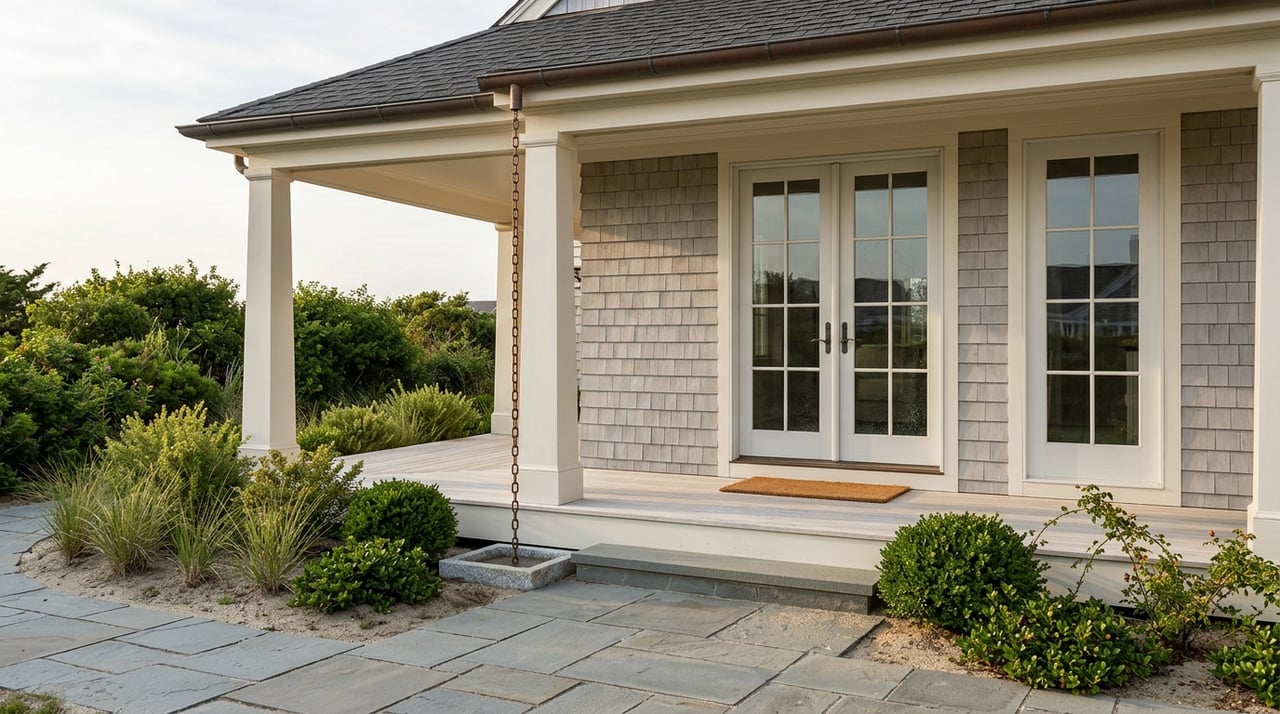
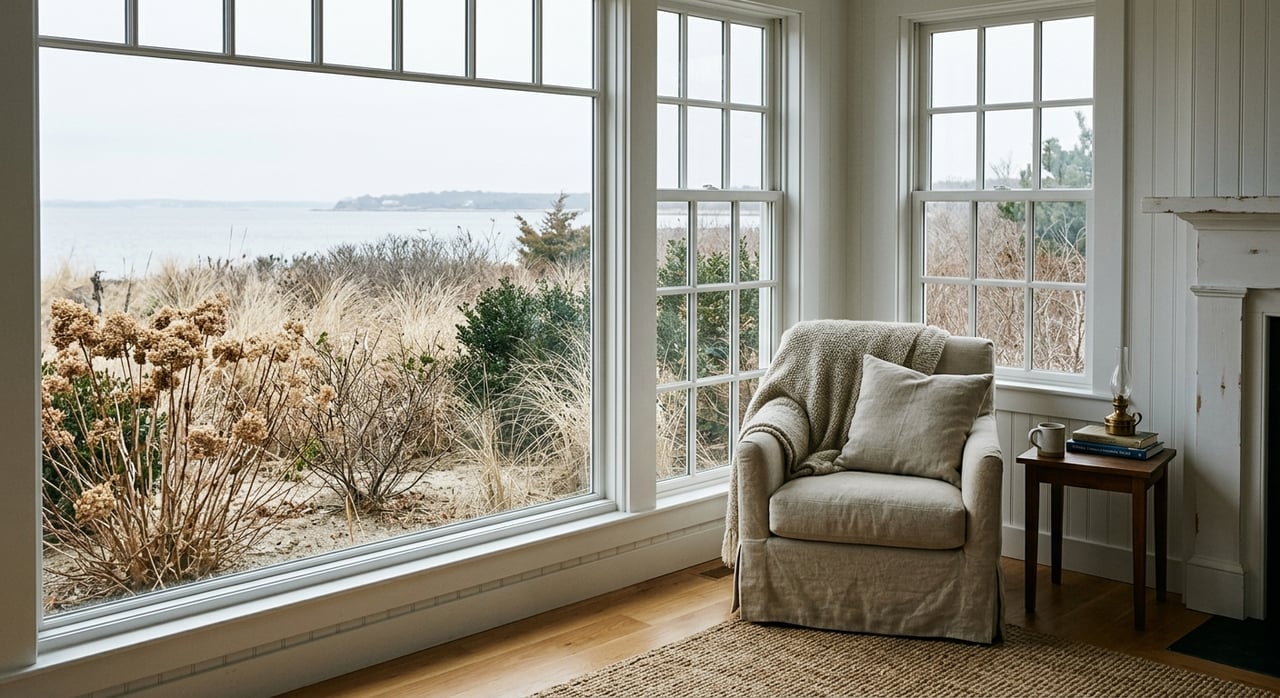
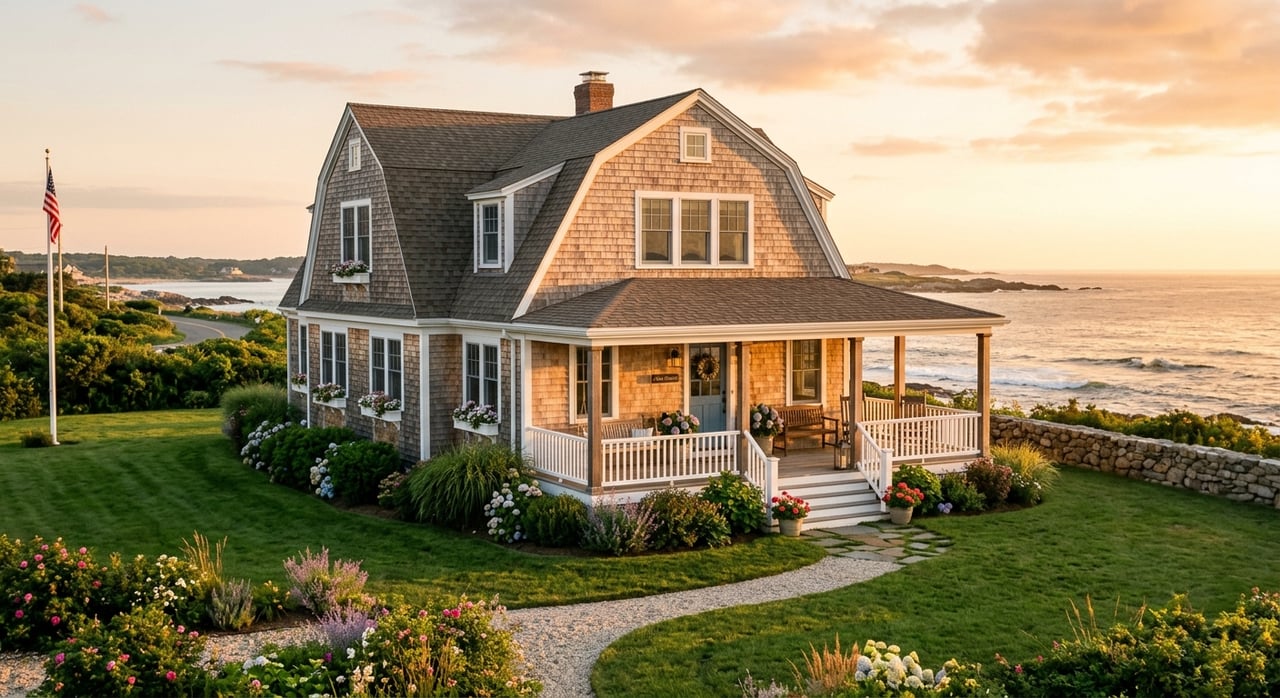
The town also favors traditional neutral materials, natural wood shingles, and roof lines that blend into the horizon. Large glass walls are discouraged because of light and night-sky impacts, which is worth knowing if your dream design leans more contemporary.
In the Moshup Trail DCPC and Cliffs DCPC, regulations can be even tighter. Special permits may be required for building siting, vegetation clearing, driveways, private parking, fences, stone walls, roof types, and utility placement.
In the Cliffs DCPC, there is also a no-build and no-cut zone within 150 feet of the crest of bluffs, and height limits may apply unless a special permit is granted. For buyers, that means the view you see today may be protected in meaningful ways, but it also means your own future changes could be limited.
Before you focus on finishes or furniture layout, confirm exactly what regulations apply to the parcel. In Aquinnah, a view property may sit within overlapping zoning, coastal, flood, and wetlands rules that affect how you use and improve the property.
This is one of the most important early steps because it helps you separate a straightforward purchase from one that may require extra consultants, filings, or approvals.
Ask for the property’s zoning district, any overlay districts, flood-zone designation, and any mapped wetlands or buffer zones. Some larger or more impactful projects on Martha’s Vineyard can also be referred to the Martha’s Vineyard Commission as a Development of Regional Impact, which requires Commission approval before local permitting can move forward.
A parcel that looks simple from the road may be more complex on paper. That is especially true in Aquinnah, where local review is highly site-specific and often tied to visibility, natural features, and coastal conditions.
You should also review the deed, title, and registry records for easements, deed restrictions, and conservation restrictions. These recorded encumbrances can affect access, use, future construction, or clearing.
For a view home, this step is especially important because the value often depends on more than the house itself. A restriction tied to the land can influence everything from landscaping plans to the ability to expand.
Many buyers assume they can address a property’s shortcomings after closing. In Aquinnah, that assumption can lead to delays, added cost, or a very different project than you first imagined.
If you want to add a deck, adjust grading, expand a driveway, install exterior lighting, or make other visible changes, ask whether the work would require a zoning determination or special permit.
Aquinnah’s special-permit process requires a certified site plan, elevations, a filing stamped by the Town Clerk, and a fee. Public hearings are advertised, abutters are notified, and incomplete applications can be continued.
That process is manageable, but it is not informal. If your purchase depends on making changes, you will want to understand the timeline and documentation before you commit.
The bylaw also says special permits generally lapse after two years if the approved work has not begun. If you are a second-home buyer planning improvements over time, that timing matters.
A great view often comes with greater exposure. In Aquinnah, some of the island’s most compelling outlooks are tied to coastal parcels, elevated sites, and land near bluffs or shoreline resource areas.
That does not mean you should avoid these properties. It means you should evaluate flood, wetlands, and erosion conditions as part of the buying decision, not after closing.
Aquinnah’s flood plain zone is linked to FEMA Special Flood Hazard Areas mapped as AE and VE. The town’s coastal district also covers shoreline areas and land below 10 feet elevation, with lower height limits and underground utility requirements in certain areas.
From a budget standpoint, flood insurance should be part of your early screening. Massachusetts notes that state law does not require flood insurance, but lenders usually do, and government-backed mortgages in Special Flood Hazard Areas generally require it.
Aquinnah’s wetlands bylaw extends to resource areas and land within 200 feet of many wetlands, ponds, streams, the ocean, and land subject to flooding or coastal storm flowage. As a result, some view parcels may also require wetlands review for future changes.
Additions, septic work, driveways, landscaping, and clearing can all become part of that conversation. If the lot is near protected resource areas, it is wise to understand the review path before you finalize your plans.
In Aquinnah, access can be just as important as the view itself. A beautiful home loses some of its ease if the driveway, parking setup, or shoreline access does not work the way you expect.
That is why practical access questions deserve the same attention as architecture and outlook.
Aquinnah’s bylaws treat roads and curb cuts as design issues, not just convenience items. In the Moshup Trail district, curb cuts and private parking areas require special permits and are reviewed for access and safety.
The bylaws also note that Old Lobsterville Road, Old South Road, and Old Church Road are protected historic ways that should remain open primarily for walking and horseback riding, not ordinary vehicle use, unless no other access exists. If a property depends on a particular route, confirm how access works in practice.
If a property’s appeal includes nearby shoreline access or seasonal parking, verify the current rules directly. Aquinnah’s 2026 beach and parking program states that homeowners and residents may purchase seasonal parking permits and walk-on passes, and parking at Philbin and Cliff areas can be first come, first served.
For some buyers, that detail may shape how often you use the beach or how you host guests during peak season. It is better to know those logistics upfront.
In several Aquinnah overlay districts, new utilities must be placed underground. That can influence both project cost and site planning.
If you are considering new service lines or future improvements, ask how utility requirements may affect the layout and budget. On a view parcel, hidden infrastructure often supports the look buyers value most.
Exterior choices that seem minor elsewhere can carry more weight in Aquinnah. Lighting and landscaping are part of the broader effort to protect views, preserve natural character, and reduce visual impact.
That makes them worth reviewing both for compliance and for long-term enjoyment.
Aquinnah’s lighting bylaw requires shielded, low-glare exterior lighting aimed at safety rather than landscape illumination. If you are picturing extensive uplighting or broad exterior wash lighting, local rules may limit those options.
This can actually be a benefit for buyers who value dark skies and a quieter nighttime setting. Still, it is best to match your expectations with what the property can support.
The zoning bylaw encourages indigenous or easily naturalized plantings in visible areas and discourages large expanses of manicured lawn. On a prominent site, landscaping is expected to work with the setting rather than compete with it.
If you are planning a major outdoor redesign, keep that local standard in mind. It may influence the look, upkeep, and approval path for future work.
Owning a view home in Aquinnah can be deeply rewarding, but it often comes with more weather exposure than an inland property. Coastal wind, salt spray, storm surge, and shoreline change can all affect the home over time.
That is why smart buyers look beyond the current staging and ask how the property performs in real conditions.
For exposed homes, ask about roof condition, flashing, deck materials, fasteners, drainage, septic pump-outs, vegetation control, and any past or anticipated bluff or slope stabilization work. These are practical questions, but they can reveal a lot about the true cost of ownership.
Coastal guidance also notes that salt spray is strongest near breaking waves and that exposed metal fasteners can corrode quickly in coastal areas. Durable, corrosion-resistant materials can make a meaningful difference over time.
Massachusetts warns that coastal areas are vulnerable to sea-level rise, storm surge, flooding, wind, wave action, and erosion. For a view property, that means the bluff edge, lot line, drainage, and long-term shoreline movement should all be part of your review.
A striking ocean outlook may be the reason you buy, but understanding the land itself is what helps you protect that investment.
Because Aquinnah approvals often depend on survey-grade details and site-specific conditions, it is wise to involve the right professionals early. For certain properties, that may include a local attorney, surveyor, and septic or wetlands professional before closing.
This is especially true if the parcel sits in a coastal, flood, or overlay district. When a purchase involves both lifestyle goals and regulatory complexity, local guidance can help you make a more informed decision from the start.
If you are buying from off-island or managing the process on a tight timeline, that support becomes even more valuable. A well-coordinated team can help you evaluate not just the home, but the reality of owning and improving it.
If you are considering a view home in Aquinnah and want a discreet, island-specific perspective, The Agency Martha’s Vineyard can help you evaluate the property, the setting, and the ownership considerations that come with a coastal purchase.
Stay up to date on the latest real estate trends.

We offer real estate services with heart. As a locally owned agency, we provide trusted guidance and personalized attention to help you navigate the Martha's Vineyard market.

OFFICE 205 UPPER MAIN ST EDGARTOWN MA 02539 PO BOX 275 EDGARTOWN MA 02539