Are you aiming to launch a guest-ready Oak Bluffs vacation rental that performs from day one? You know the island is special, and you also know its logistics can add friction if you are not prepared. In this guide, you’ll learn how to design for coastal durability, set up tight operations around ferries and peak weeks, and deliver a premium experience that keeps guests coming back. Let’s dive in.
Know Oak Bluffs seasonality
Oak Bluffs is one of Martha’s Vineyard’s most active summer hubs. High season runs from late June through August, when weekly bookings dominate and Saturday-to-Saturday turnovers are common. Shoulder seasons in May–June and September–October can attract weekenders and flexible travelers, while winter demand is limited.
Local events and holidays can shift demand quickly. Popular summer weekends, regattas, and island festivals all impact rates and occupancy. Align your minimum stays, turnover days, and housekeeping capacity with these patterns so you avoid midweek bottlenecks and rushed cleanings.
Plan around island access
Every decision on Martha’s Vineyard must account for access. Guests, cleaners, and contractors rely on ferry schedules and limited capacity. Seasonal congestion means last-minute changes are harder to execute, and deliveries can take longer or cost more.
Build lead time into your furnishings and appliance orders, and keep essential spares on-island. Plan a minimum notice period for bookings so you do not overpromise during weeks when ferries are tight. When your calendar respects island rhythms, your operations stay predictable.
Confirm regulations, taxes, and safety
Short-term rental rules can change, and they vary by town. Before you list, confirm any Oak Bluffs permits or registrations, occupancy limits, and health or building requirements with local officials. You should also verify transient occupancy and sales tax collection and remittance procedures through the appropriate state and local tax offices.
For safety, ensure smoke and CO detectors meet Massachusetts code, use GFCI outlets in wet areas, and post emergency instructions clearly. Many owners also add host-specific short-term rental insurance or commercial coverage to ensure adequate liability protection.
Design for coastal durability
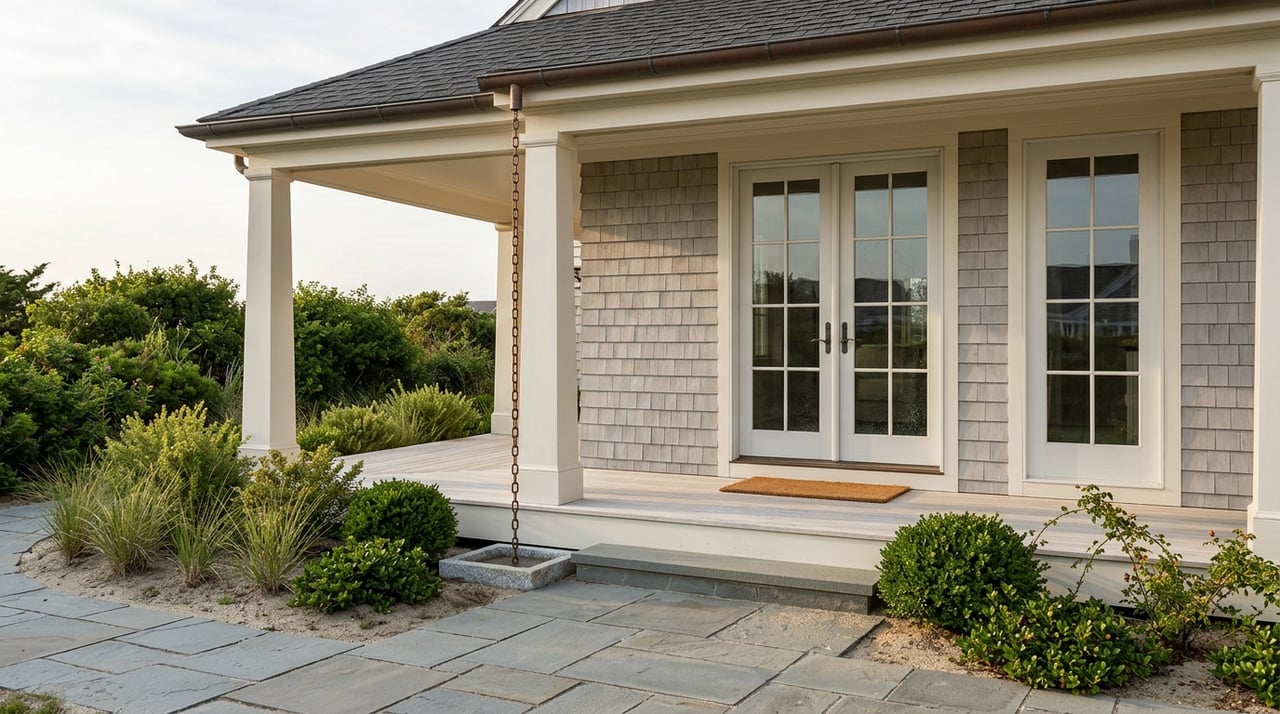
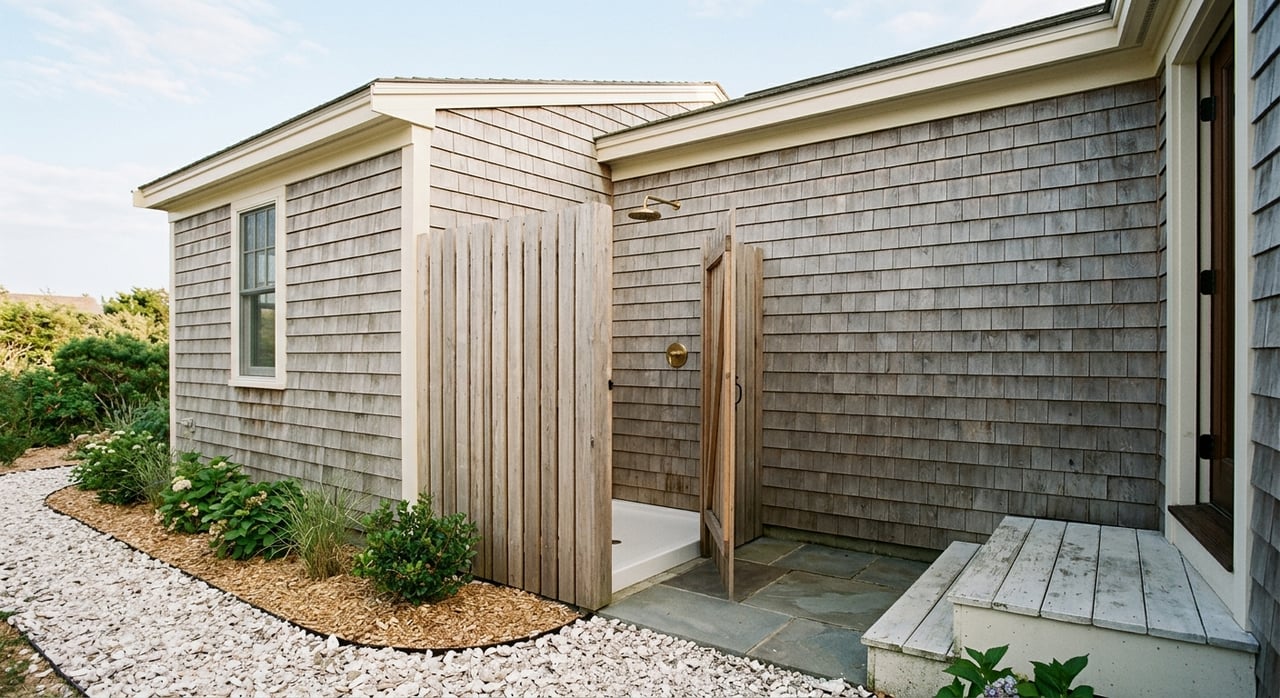
Salt air, humidity, and sun can wear down finishes quickly. Durable, low-maintenance choices reduce downtime and protect your investment.
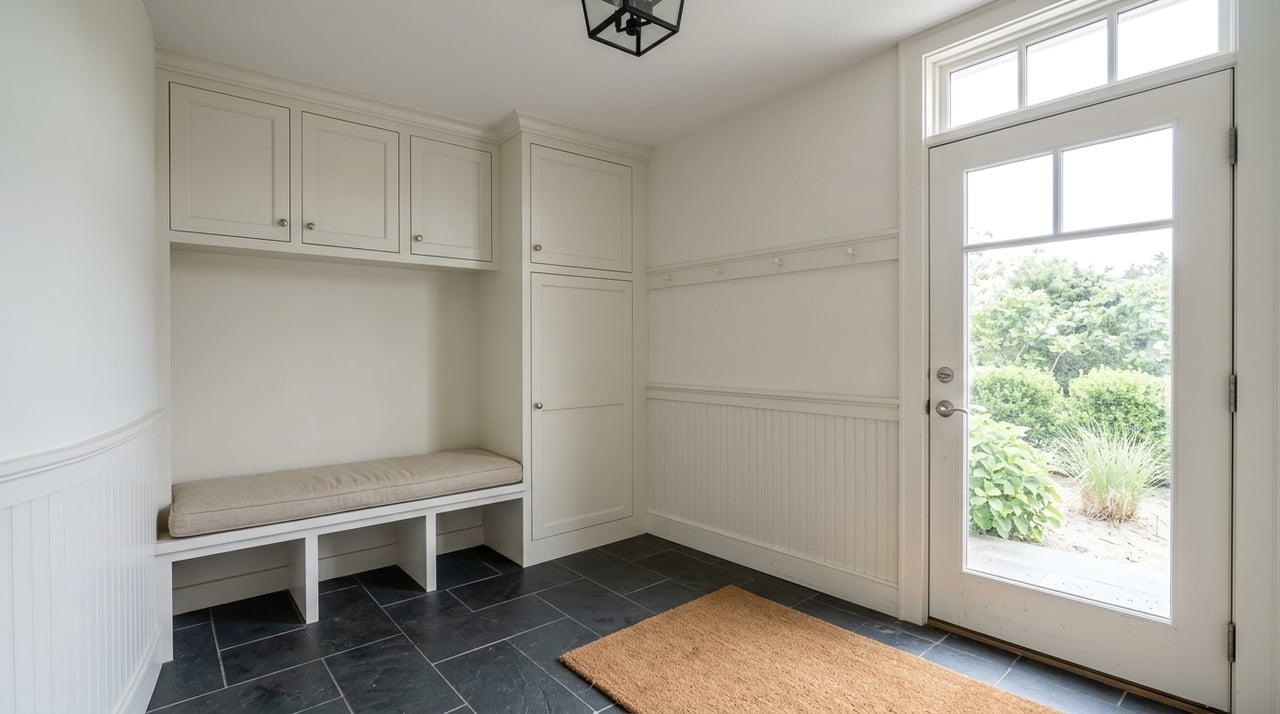
- Flooring: Choose waterproof or water-resistant options such as luxury vinyl plank, porcelain tile, or sealed concrete in kitchens, baths, and high-traffic areas. Engineered hardwood can work if properly sealed; avoid untreated solid wood in moist zones.
- Decking: Use composite materials or pressure-treated, sealed hardwood with stainless or coated fasteners to resist corrosion.
- Counters and cabinets: Quartz, solid-surface, or sealed granite perform well. Select moisture-resistant cabinet boxes and corrosion-resistant hardware.
- Paints and textiles: Mildew-resistant paints help control mold. Choose performance fabrics and slipcovers for sofas and chairs, and use machine-washable or outdoor rugs that handle sand and dampness.
These choices keep surfaces looking fresh and allow your housekeeping team to turn the property faster without costly touch-ups.
Right-size your systems and appliances
High-use rentals need reliable systems with local service support. A few targeted upgrades can prevent in-stay failures.
- Appliances: Favor brands with on-island service options and consider longer warranties. Midline, serviceable models are often a smart balance of cost and durability.
- HVAC and dehumidification: Ensure cooling and moisture control are sized for summer humidity. Service contracts and regular filter changes reduce surprises.
- Water and septic: If on a well or private septic, keep up with inspections and maintenance. If recommended locally, consider whole-house filtration or softening.
- Electrical: Confirm GFCI protection in wet areas and adequate circuit capacity for today’s loads. Label shutoffs so vendors can work quickly.
Bathrooms and kitchens that last
Well-designed wet areas support guest comfort and quick cleanups.
- Showers: Walk-in designs with easy-clean glass and sealed or epoxy grout limit staining and mildew. Thermostatic controls help reduce scald risk.
- Kitchens: Tile backsplashes and nonporous surfaces near cooking zones make wipe-downs faster and prevent staining.
These choices make weekly turnovers predictable and reduce midseason maintenance.
Furnish for comfort and fast turnover
Comfort drives reviews, but durability drives profit. Aim for pieces that clean easily and can be refreshed without replacing the entire set.
- Seating and beds: Use solid frames with replaceable cushions or slipcovers. Choose mid-range mattresses and protect them with encasements and high-quality protectors.
- Outdoor areas: Select rust-resistant, mold-resistant furniture. Store cushions in waterproof bins during storms or shoulder seasons.
- Inventory: Standardize kitchenware and linens so replacements match. Keep a spare set of essentials on-island.
Safety and guest information
Beyond code-compliant alarms and extinguishers, make it simple for guests to navigate your home in a new environment.
- Post emergency contacts, the nearest medical facility, and simple evacuation guidance.
- Provide a clear house manual with Wi‑Fi, parking, and appliance instructions.
- Label main shutoffs for water and electric so vendors can respond quickly.
Consistency here improves guest confidence and reduces after-hours calls.
Housekeeping and vendor workflow
During July and August, weekly back-to-backs are common. A structured turnover plan and a reliable team are essential.
- Staffing: Choose an in-house team, a contracted cleaning company, or an on-island property manager who coordinates cleaning and inspections.
- Timing: Expect 4–8 or more hours for standard turnovers depending on property size. Build calendar buffers to absorb delays.
- Quality control: Use a standard checklist, linen counts, and a final inspection with photos. Maintain digital logs to support damage claims.
Turnover checklist highlights
- Replace and count linens and towels; inspect for stains.
- Sanitize bathrooms, high-touch surfaces, and kitchen counters.
- Clean appliances, empty and wipe the refrigerator.
- Restock consumables and confirm inventory against a list.
- Test HVAC, hot water, lighting, and smoke/CO alarms.
- Photograph condition, log issues, and schedule repairs.
Linens, laundry, and supplies
On-island laundry capacity tightens in peak weeks. Plan your approach early and keep spares on-hand.
- Options: Contract with a linen service, manage an on-site inventory with in-house laundering, or set up drop-off and pickup with local services.
- Stocking: Keep at least one full spare set of sheets and towels plus consumables to bridge delivery delays.
- Storage: Use labeled bins or closets so teams can work fast and avoid mix-ups.
Proactive maintenance and season changeovers
A seasonal plan prevents mid-stay breakdowns and protects your property between bookings.
- Opening checklist: Deep clean, service HVAC, test hot water, check septic or sewer service, inspect exteriors for winter damage, test alarms and appliances, and restock.
- Midseason checks: Schedule quick inspections to catch wear and tear before it affects guests.
- Closing/winterization: Secure water lines, drain irrigation, protect outdoor furniture, confirm doors and windows are sealed, and complete a final pest treatment if needed.
Calendar, pricing, and guest flow
Island logistics and housekeeping capacity should guide your rules. Weekly minimums are typical in peak season, often with Saturday check-in and check-out to align with ferry patterns.
- Channel management: Use a calendar tool or PMS to prevent double-booking across listing channels and direct bookings.
- Buffers: Block 6–8 hours or more between bookings, and consider staffed “double turns” for large properties.
- Pricing: Adjust for seasonality, cleaning fees, and local taxes. Island operating costs are higher, so ensure rates cover vendor premiums and utilities.
- Cancellations and claims: Standardize your policies and document property condition with check-in and post-checkout photos.
Guest arrival and communication
Clear pre-arrival guidance helps guests navigate ferry schedules and island timing.
- Send ferry parking and timing tips well before arrival.
- Provide check-in instructions that work offline, such as smart-lock codes and a printable map.
- Share grocery options and a note on seasonal hours.
Keyless self-check-in keeps arrivals smooth, while an optional meet-and-greet can elevate the experience for premium stays.
Concierge services and premium experiences
High-end travelers to Oak Bluffs often expect tailored help. You can offer or coordinate services that add value and reduce friction.
- Common requests: Airport or ferry transfers, grocery pre-stocking, restaurant reservations, bike and boat rentals, private chefs, housekeeping during the stay, and curated local experiences.
- Partner model: Many owners work with vetted local vendors or a property manager who coordinates bookings and response times, supported by clear service-level expectations.
- Quality control: Standard operating procedures for welcomes, inspections, and premium add-ons help ensure consistent results across the season.
Confirm that vendors carry appropriate insurance for transportation, watercraft, or physical activities, and clarify responsibilities in writing.
On-island oversight and reporting
A cadence of property checks protects your asset and keeps you fully informed, especially if you manage remotely.
- Frequency: Weekly or biweekly checks during the season, monthly in the off-season, with additional visits around turnovers.
- Documentation: Share check-in/out photos, maintenance logs, and occupancy and tax records. Keep escalation protocols for urgent repairs and owner approvals.
Vendor selection and readiness
Secure your on-island team before peak season. Vendor capacity tightens in summer, and response-time agreements matter.
- Core vendors: Housekeeping, linen service, landscaper, pest control, septic or sewer service, HVAC, plumber, electrician, locksmith, and a reliable handyman or contractor.
- Vetting: Confirm licenses, insurance, references, response times, and holiday surcharges. Keep agreements simple and explicit.
- Spare parts: Maintain a compact on-island kit with bulbs, filters, batteries, faucet washers, basic tools, and common replacement items to avoid delays.
Pre-arrival checklist for guests
Include this list in your house manual and pre-arrival message:
- Ferry parking guidance, expected arrival window, and local transport tips.
- Check-in method with code or meet-and-greet details.
- Wi‑Fi credentials, parking notes, and house manual location.
- Emergency numbers, on-call contact, and nearest hospital info.
- Suggested grocery stops and a reminder about island store hours.
A turnkey path forward
Designing a guest-ready Oak Bluffs rental is about more than beautiful finishes. It is about choosing coastal-appropriate materials, building a reliable island team, and aligning your calendar with ferry and housekeeping realities. With the right systems, you can protect your asset, streamline operations, and deliver a premium guest experience all season long.
If you want a local, hands-on partner to help you design, staff, and operate a high-performing rental, connect with The Agency Martha’s Vineyard to Request a Local Consultation.
FAQs
What are the peak rental months in Oak Bluffs?
- Late June through August is the high season, with weekly bookings most common and shoulder demand in May–June and September–October.
How should I align check-in days with ferries on Martha’s Vineyard?
- Many rentals use Saturday check-in and check-out during peak weeks to match ferry patterns and housekeeping capacity.
What materials work best for coastal rentals in Oak Bluffs?
- Choose waterproof flooring (LVP, porcelain tile), quartz or sealed stone counters, mildew-resistant paints, and corrosion-resistant hardware.
How do I manage linens and laundry for weekly turnovers?
- Use a linen service, maintain an on-site inventory with in-house laundering, or arrange drop-off/pickup, and keep a full spare set on-island.
What local rules and taxes apply to short-term rentals in Oak Bluffs?
- Confirm any town permits or registrations, occupancy limits, and state and local transient occupancy and sales tax procedures before listing.